

Pilonidal Sinus Surgery
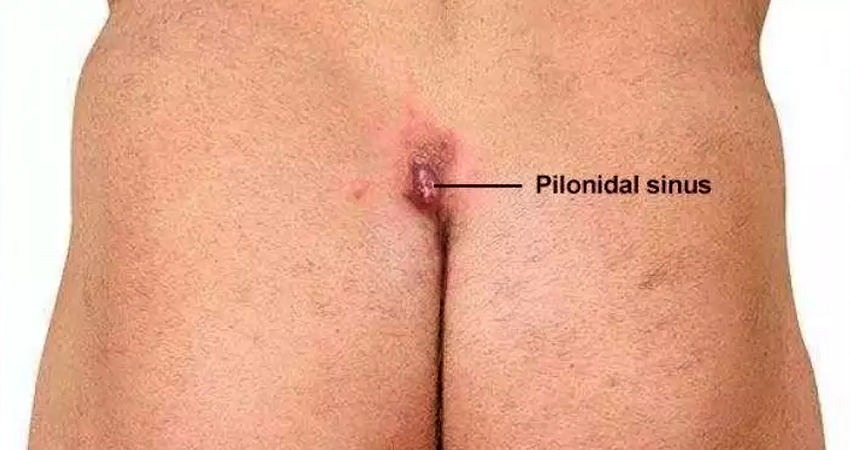
A Pilonidal Sinus is a small cyst or abscess that occurs in the cleft at the top of the buttocks. It often contains hair, skin debris, and fluid, and can become infected, causing significant pain and discomfort. Dr. Parvati R. Falegaonkar provides expert surgical treatment to eliminate the sinus and prevent recurrence.
What is a Pilonidal Sinus?
The word "pilonidal" comes from Latin meaning "nest of hair." The condition typically develops when loose hairs puncture the skin in the natal cleft, triggering a foreign body reaction that leads to cyst formation. It is more common in young men and people with sedentary occupations.
Symptoms
- Pain and swelling near the tailbone area
- Redness and tenderness over the sacral region
- Discharge of pus or blood from an opening in the skin
- Foul-smelling discharge
- Hair protruding from the sinus opening
- Fever in case of acute infection
Causes and Risk Factors
- Prolonged sitting (desk jobs, long drives)
- Excess body hair in the natal cleft
- Obesity
- Poor hygiene
- Previous trauma or irritation to the area
Surgical Treatment
Incision and Drainage
For acute abscess, incision and drainage is performed to relieve pain and infection as an immediate measure.
Excision Surgery
The definitive treatment involves complete surgical excision of the sinus tract and all involved tissue. The wound may be left open to heal (open technique) or closed with flap procedures to minimize recurrence.
Flap Procedures
Advanced techniques such as the Karydakis flap or Limberg flap reconstruction significantly reduce the recurrence rate and speed up recovery.
Laser Surgery
A modern minimally invasive technique where laser energy is used to destroy and seal the pilonidal sinus tract from within. This approach offers several advantages over conventional surgery:
- No large open wounds — preserves surrounding healthy tissue
- Significantly reduced post-operative pain
- Faster return to daily activities and work
- Lower risk of wound infection and complications
- Suitable for both primary and recurrent pilonidal sinus
Recovery
Most patients can return to normal activities within 2–4 weeks depending on the surgical technique used. Proper wound care and hygiene are essential for healing and prevention of recurrence.
Why Choose Dr. Parvati R. Falegaonkar?
- Expert in pilonidal sinus management
- Low recurrence rate with advanced surgical techniques
- Minimally invasive approach when possible
- Detailed post-operative care and follow-up
Book a Consultation
If you are experiencing persistent pain or discharge near the tailbone, consult Dr. Parvati R. Falegaonkar for a thorough evaluation and effective surgical treatment of pilonidal sinus.