

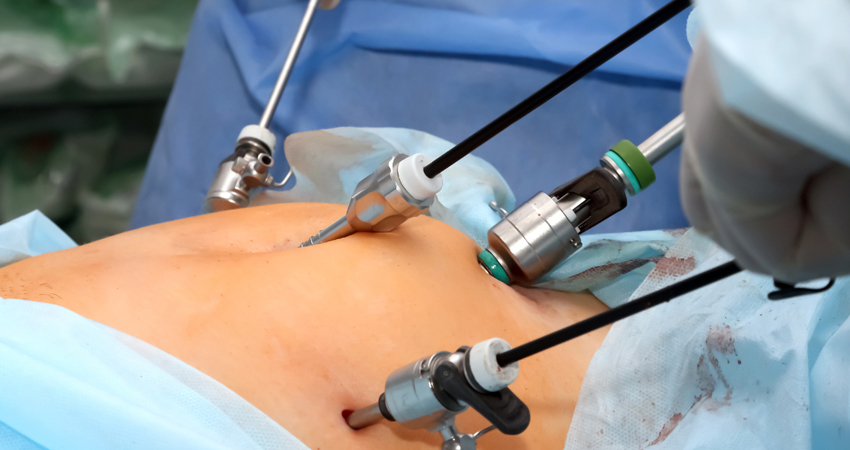
Laparoscopic Cholecystectomy
Laparoscopic Cholecystectomy is the gold standard surgical procedure for the removal of the gallbladder using minimally invasive laparoscopic techniques. It is the most commonly performed laparoscopic surgery worldwide and is the preferred treatment for symptomatic gallstones and related gallbladder diseases. Dr. Parvati R. Falegaonkar is highly experienced in this procedure, offering patients safe surgery, minimal pain, and rapid recovery.
What is the Gallbladder?
The gallbladder is a small pear-shaped organ located under the liver. Its primary function is to store and concentrate bile, a digestive fluid produced by the liver. When the gallbladder develops stones (cholelithiasis) or becomes inflamed (cholecystitis), it often requires removal.
Indications
- Symptomatic gallstones (biliary colic)
- Acute cholecystitis (inflamed gallbladder)
- Chronic cholecystitis
- Gallbladder polyps (>1 cm)
- Biliary pancreatitis (gallstone-induced pancreatitis)
- Acalculous cholecystitis
Symptoms of Gallstones
- Sudden, intense pain in the right upper abdomen (biliary colic)
- Pain radiating to the right shoulder or back
- Nausea and vomiting
- Fever and jaundice (in complicated cases)
- Intolerance to fatty foods
- Bloating and indigestion
The Procedure
Laparoscopic cholecystectomy is performed under general anesthesia:
- 4 small incisions (0.5–1 cm each) are made in the abdomen
- Carbon dioxide gas is insufflated to create working space
- A laparoscope (camera) and instruments are inserted
- The cystic duct and cystic artery are clipped and divided
- The gallbladder is dissected from the liver bed and removed through one of the incisions
- The incisions are closed with sutures or clips
Advantages Over Open Surgery
- 3–4 small scars instead of one large incision
- Significantly less post-operative pain
- Shorter hospital stay (often discharged same day or next day)
- Faster return to work and normal activities (within 1–2 weeks)
- Lower risk of wound complications
Recovery
Most patients are discharged within 24 hours. Light activities can be resumed in 3–5 days and full activity within 2 weeks. Diet is gradually normalized after surgery. Life after cholecystectomy is generally normal; the liver continues to produce bile which flows directly into the small intestine.
Why Choose Dr. Parvati R. Falegaonkar?
- Fellowship-trained laparoscopic surgeon
- High volume of laparoscopic cholecystectomies performed
- Expert management of acute and elective cases
- Excellent safety record with low complication rates
- Thorough pre-operative workup and post-operative care
Book a Consultation
If you are experiencing gallstone symptoms or have been advised surgery for your gallbladder, consult Dr. Parvati R. Falegaonkar for a detailed evaluation and safe laparoscopic cholecystectomy.